
immune research
Immune research explores the complex biological systems responsible for protecting the body, regulating inflammation, and coordinating cellular communication. Researchers investigate peptides involved in immune signaling, inflammatory pathways, and immune cell activity to better understand how these interconnected systems respond to biological challenges and maintain physiological balance.
Understanding Immune Research
The immune system is a highly coordinated network of cells, proteins, and signaling molecules that work together to identify and respond to internal and external challenges. Researchers continue studying these complex biological pathways to better understand how immune cells communicate, regulate inflammatory responses, and support normal physiological function.
Modern immune research spans multiple scientific disciplines, including immunology, molecular biology, regenerative medicine, and cellular signaling. At Provyn Labs, our Immune Research collection provides educational resources and research compounds commonly studied for their roles in immune regulation, inflammatory signaling, and cellular communication.
Key Areas of Immune Research
-
![]()
Immune Cell Signaling
Researchers investigate how immune cells communicate through complex signaling pathways that help coordinate normal immune function and cellular responses.
-
![]()
Inflammatory Pathways
Scientific studies continue exploring the biological mechanisms involved in inflammatory signaling and the factors that influence normal immune regulation.
-
![]()
Immune Regulation
Scientists study the biological systems responsible for maintaining balanced immune activity and supporting healthy physiological function through coordinated cellular signaling.
-
![]()
Cellular Communication
Immune cells rely on intricate networks of chemical messengers and signaling molecules to coordinate biological responses. Researchers continue investigating these pathways to better understand immune function.




featured research compounds
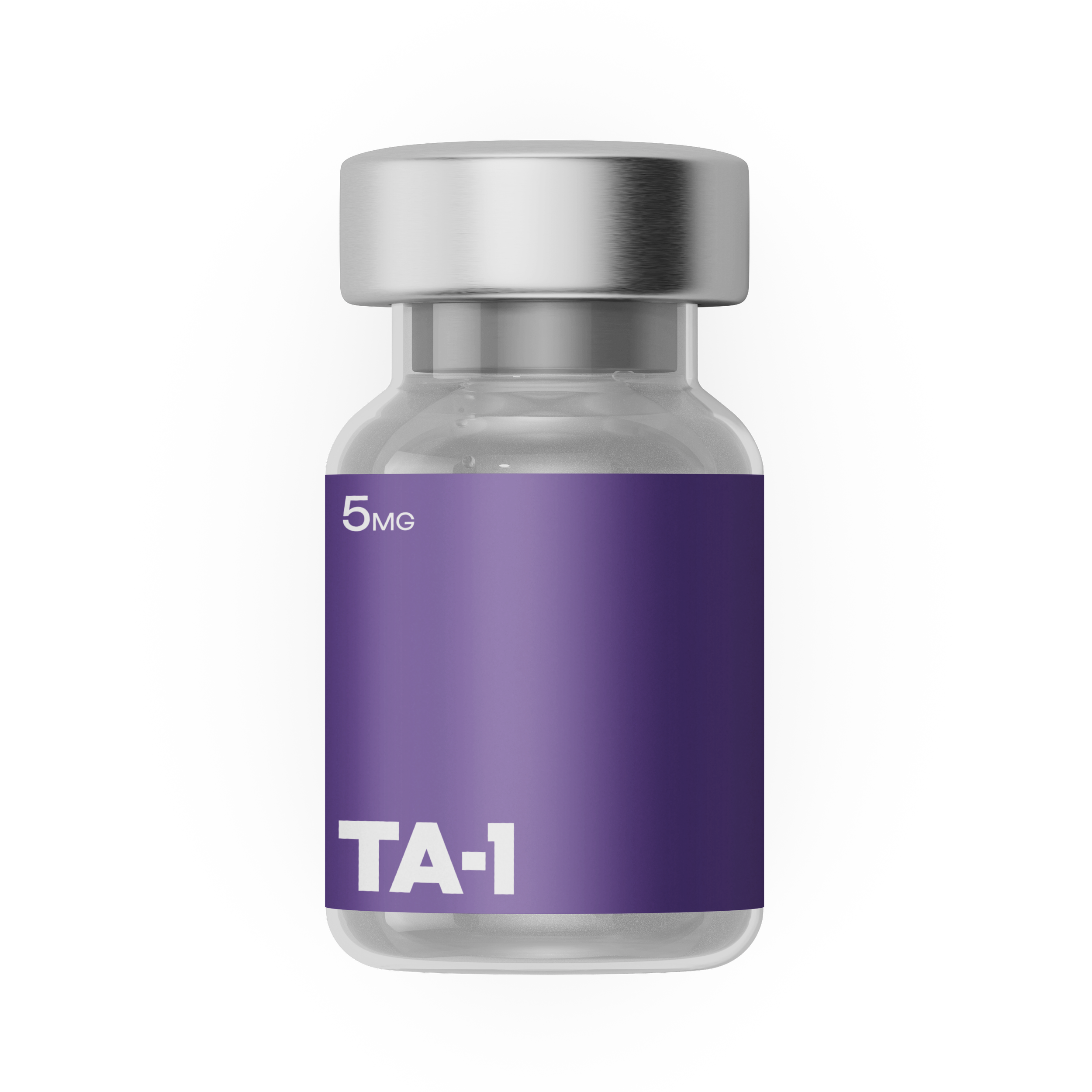
Thymosin Alpha-1 TA-1
A naturally occurring peptide commonly studied for its role in immune cell activity, immune signaling, and broader immune system regulation.
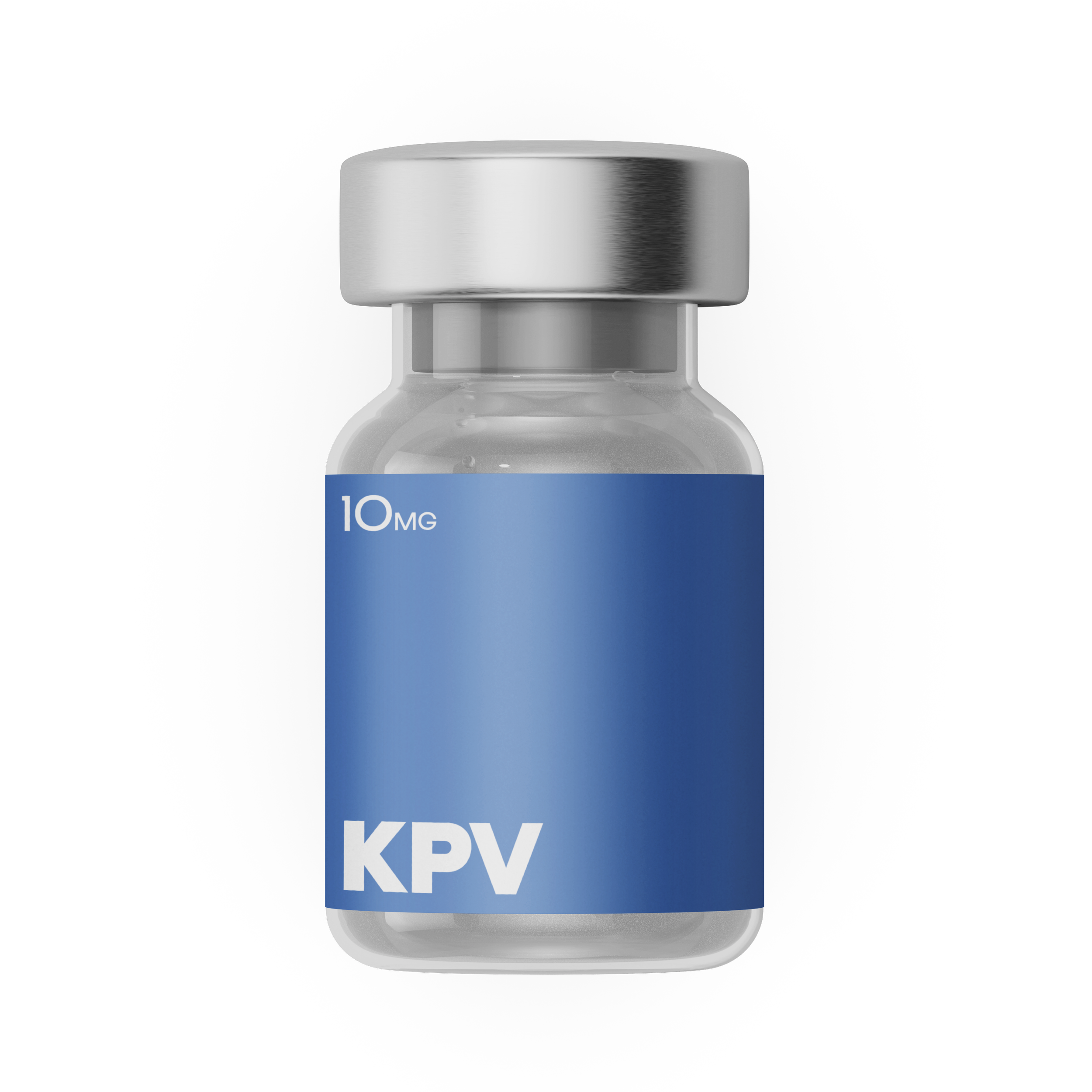
KPV
A peptide fragment frequently investigated for its interaction with inflammatory pathways and immune-related cellular signaling.
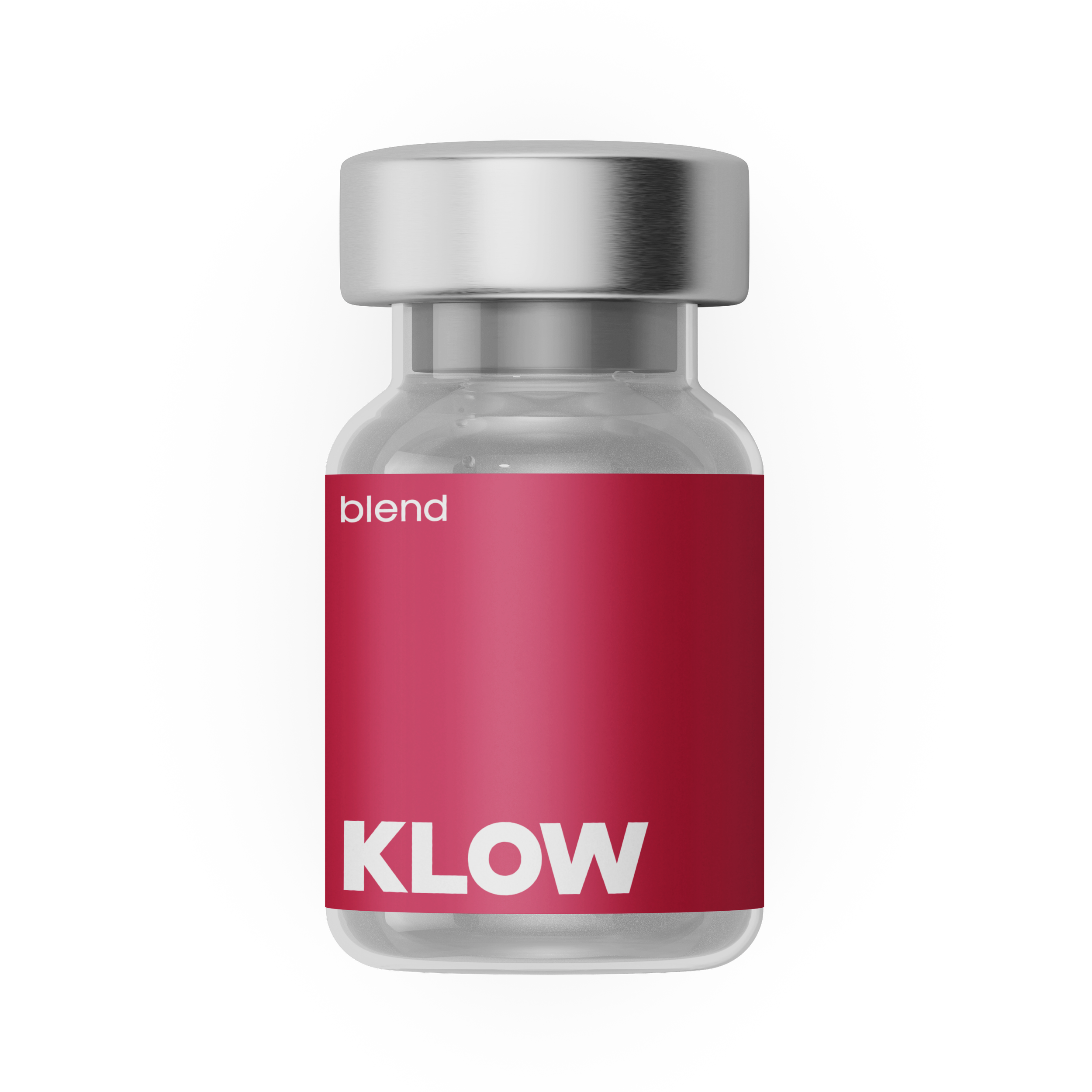
KLOW Blend
A proprietary peptide blend formulated with compounds commonly researched for their involvement in tissue biology, inflammatory signaling, and immune-related pathways.
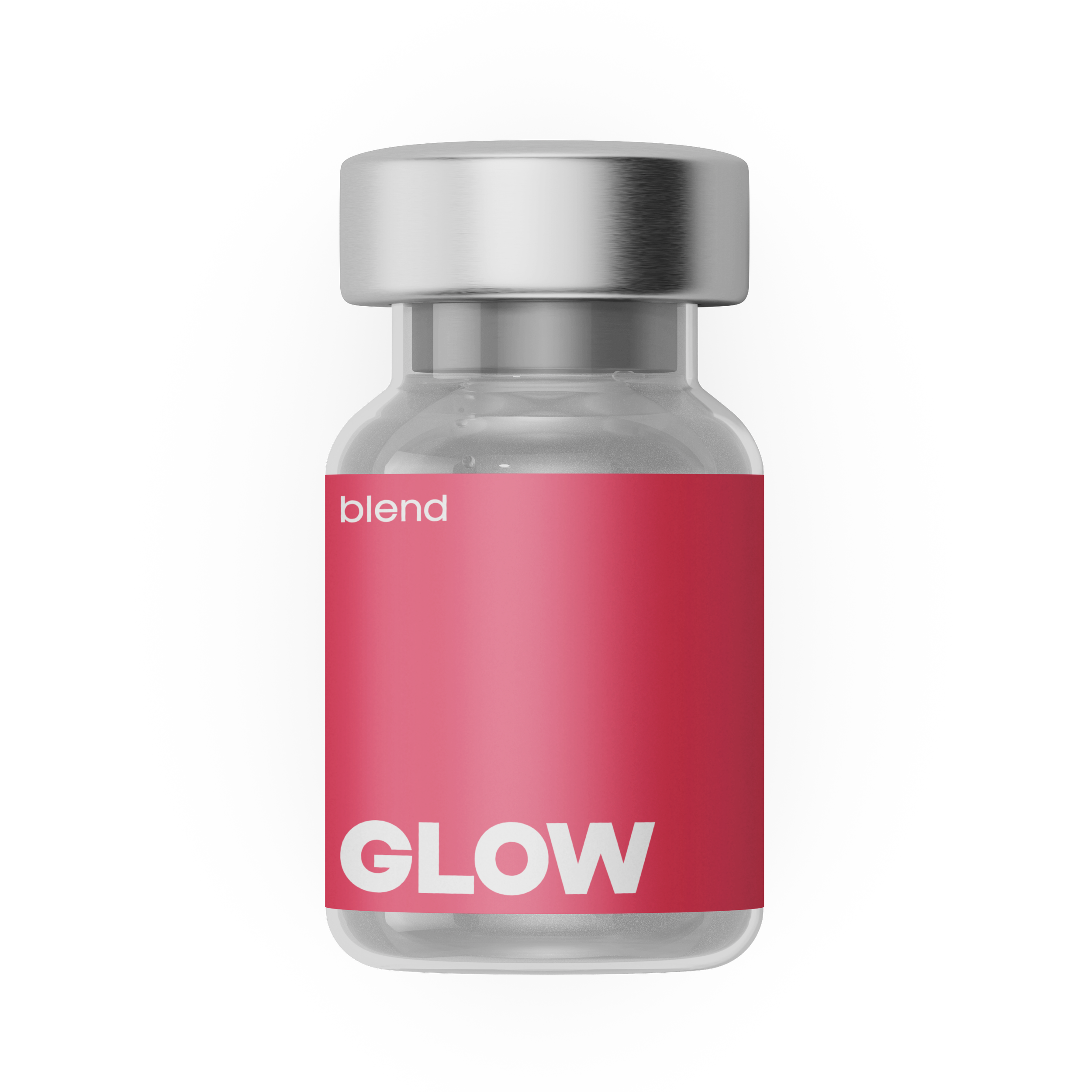
GLOW Blend
A proprietary peptide blend formulated with compounds commonly researched for tissue biology, cellular repair, and inflammatory signaling, making it valuable across multiple areas of regenerative and immune-related research.
Frequently Asked Questions
-
Immune research explores the biological systems responsible for protecting the body, regulating inflammation, and coordinating communication between immune cells. Researchers study these pathways to better understand how the immune system responds to biological challenges and maintains physiological balance.
-
The immune system is a complex network of cells, tissues, and signaling molecules that work together to recognize and respond to internal and external stimuli. Scientists continue investigating these interactions to better understand immune function and cellular communication.
-
Our Immune Research collection features compounds commonly studied for their involvement in immune signaling, inflammatory pathways, and cellular communication, including Thymosin Alpha-1 (TA-1), KPV, GLOW Blend, and KLOW Blend.
-
Thymosin Alpha-1 is a naturally occurring peptide widely studied for its role in immune cell activity, immune signaling, and the regulation of normal immune function.
-
KPV is a peptide fragment frequently investigated for its interaction with inflammatory pathways, immune regulation, and cellular communication within laboratory research.
-
Inflammatory signaling plays a central role in immune function, tissue biology, and cellular communication. Researchers investigate these pathways to better understand how biological systems respond to physiological stress and maintain normal function.
-
Peptide blends allow researchers to investigate multiple complementary biological pathways within a single study. Blends such as GLOW and KLOW combine compounds commonly researched for their roles in immune signaling, tissue biology, and cellular communication.
-
No. All Provyn Labs products are intended exclusively for laboratory and scientific research. They are not intended for human or veterinary use.
-
Storage recommendations vary by compound. Researchers should always follow the handling and storage guidance provided with each individual product to help maintain stability and integrity.
-
Provyn Labs is committed to providing high-quality research compounds supported by educational resources, transparent documentation, and rigorous quality standards to help advance scientific research.
more research categories.
-
![]()
metabolic research
Explore compounds researching metabolism, weight management, blood sugar regulation, and energy production.
-
![]()
hormone & endocrine.
Research compounds studying hormone balance, growth hormone pathways, metabolism, and endocrine function.
-
![]()
cellular energy & longevity.
Research compounds focused on healthy aging, cellular energy, vitality, and long-term wellness research.
-
![]()
recovery & repair.
Research compounds investigating muscle recovery, tissue repair, joint health, and regenerative pathways.
-
![]()
cognitive research.
Explore compounds researching focus, memory, learning, mental clarity, and overall cognitive performance.
-
![]()
melanocortin research.
Research compounds focused on pigmentation, skin biology, UV response, and melanocortin receptor research.
-
![]()
signature blends.
Exclusive Provyn Labs formulations combining multiple research compounds into convenient all-in-one blends.