
cognitive research
Cognitive research explores the biological systems involved in learning, memory, focus, neuroplasticity, and neuronal communication. Researchers investigate peptides that interact with the central nervous system to better understand how the brain processes information, adapts to new experiences, and supports normal cognitive function.
Understanding Cognitive Research
Cognitive research focuses on the complex biological systems responsible for learning, memory, attention, and neurological communication. Scientists continue investigating how peptide signaling influences neuronal activity, synaptic communication, and the adaptive processes that support healthy brain function.
As neuroscience continues advancing, peptide research has become an important area of investigation for understanding cognitive performance, neuroplasticity, and cellular communication within the nervous system. At Provyn Labs, our Cognitive Research collection provides educational resources and research compounds commonly studied within this rapidly evolving field.
Key Areas of Cognitive Research
-
![]()
Neuroplasticity
Researchers investigate the biological mechanisms that allow the brain to adapt, reorganize, and form new neural connections throughout life.
-
![]()
Learning & Memory
Scientific studies continue exploring the pathways involved in memory formation, information processing, and cognitive adaptation.
-
![]()
Neuronal Communication
Researchers study how neurons communicate through complex signaling pathways that regulate brain activity and cognitive function.
-
![]()
Cognitive Performance
Research continues investigating biological pathways associated with attention, focus, learning efficiency, and overall neurological function.




featured research compounds
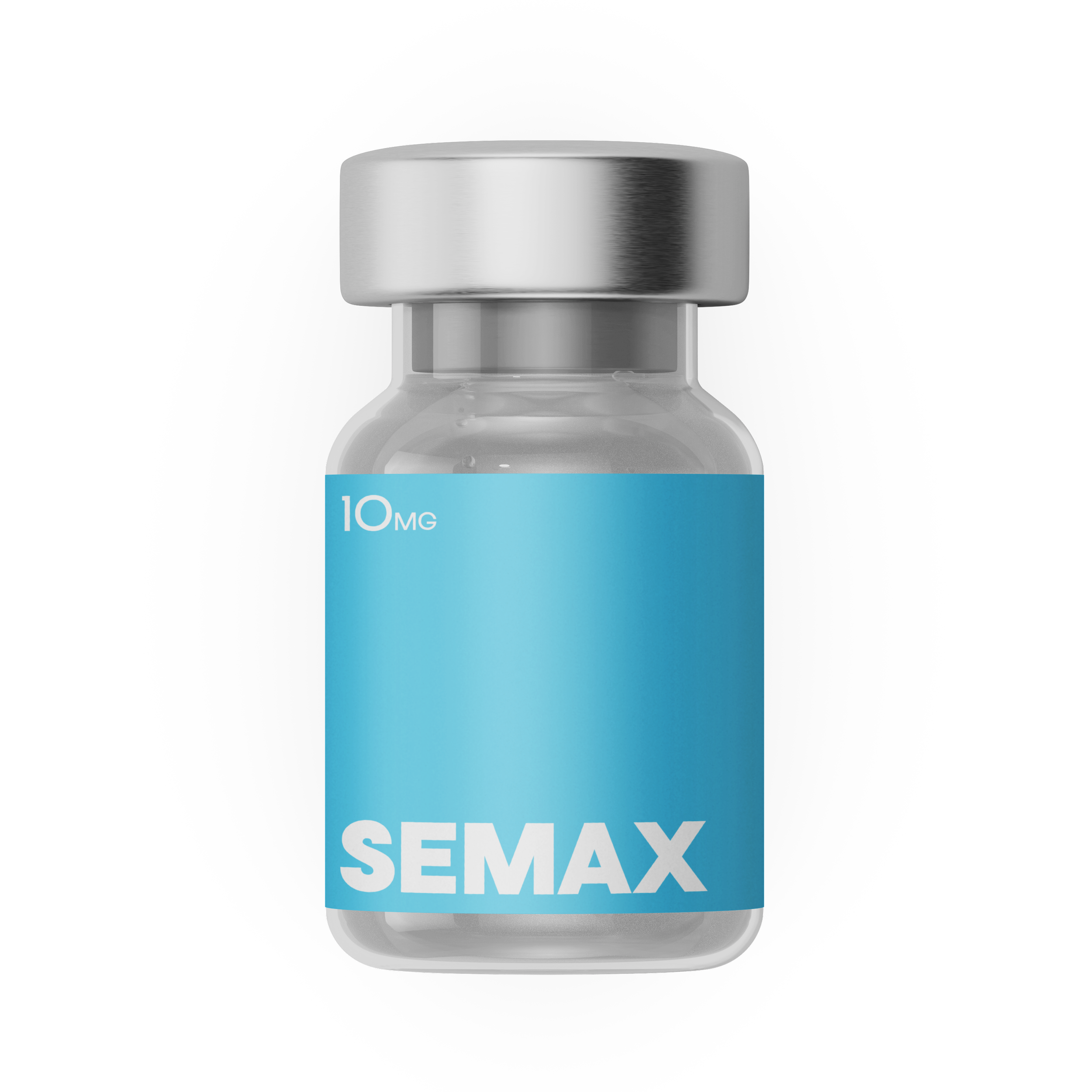
Semax
A synthetic peptide commonly researched for its relationship to neuronal signaling, neuroplasticity, learning, memory, and cognitive biology.
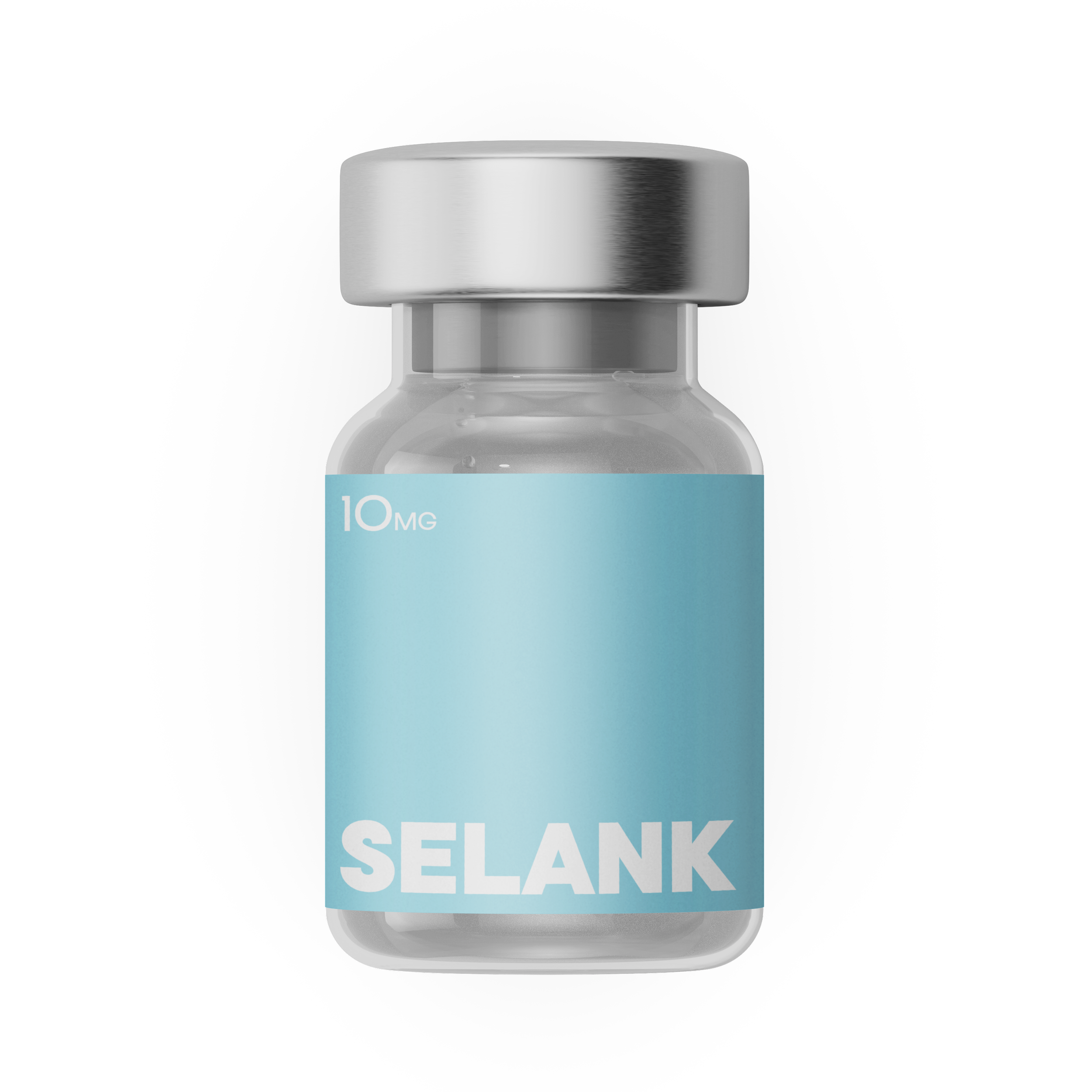
Selank
A synthetic peptide frequently investigated for its interaction with neurological signaling pathways, cognitive biology, and neuronal communication.
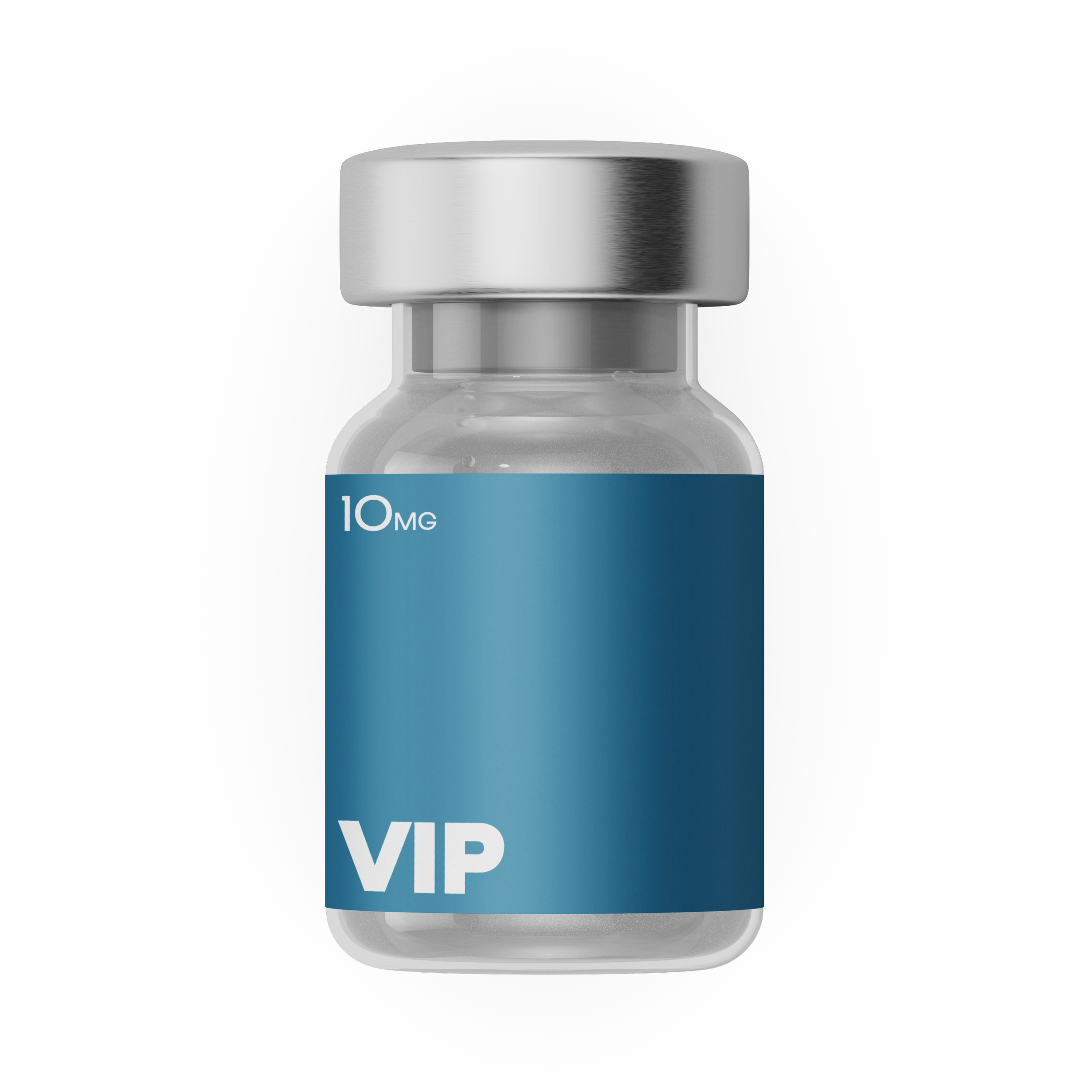
VIP
A naturally derived peptide fragment studied for its interaction with inflammatory pathways and immune-related cellular signaling.
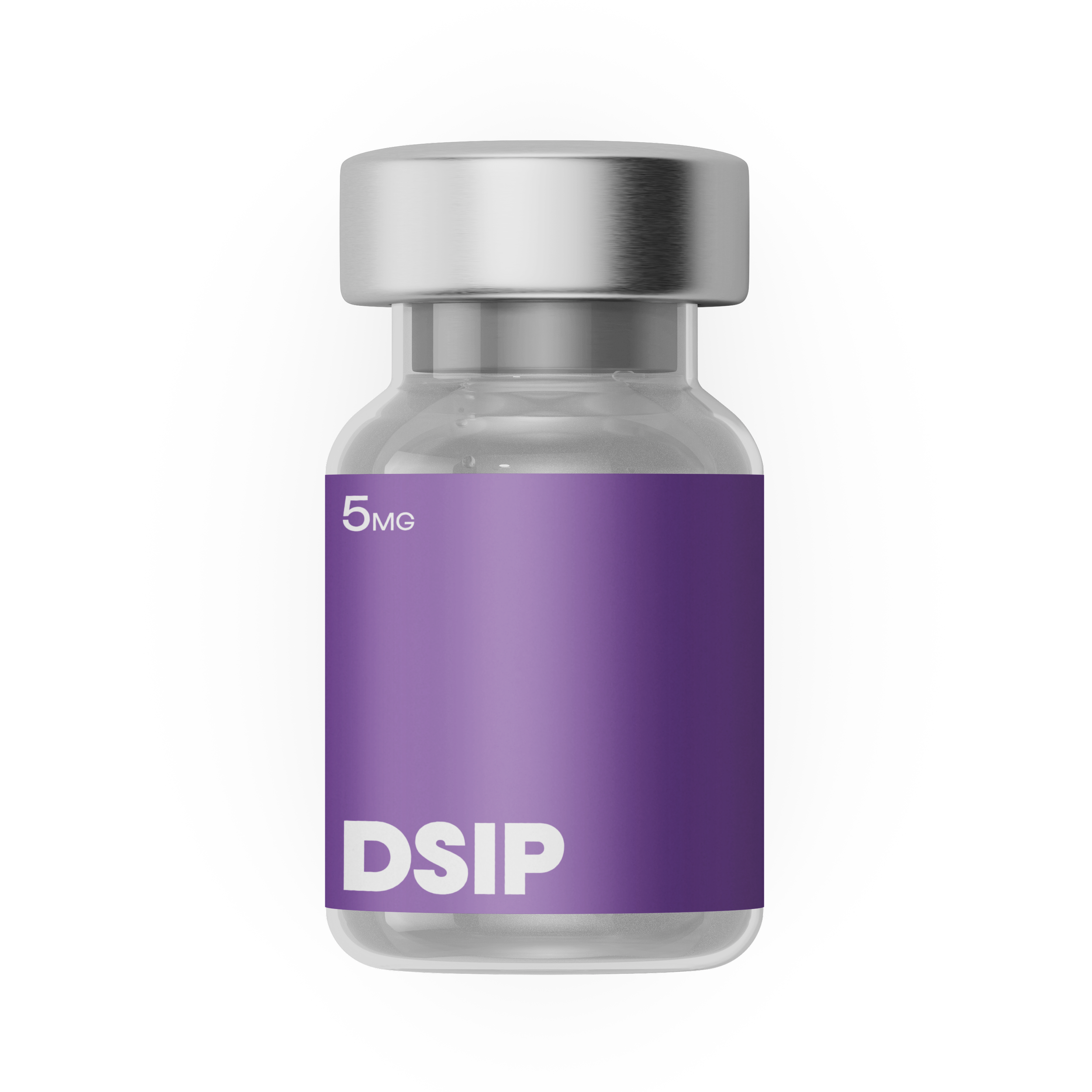
DSIP
A peptide commonly researched for its relationship to neurological signaling, sleep-related biology, and neuroendocrine communication.
Frequently Asked Questions
-
Cognitive research explores the biological processes involved in learning, memory, attention, neuroplasticity, and neuronal communication. Researchers investigate these systems to better understand how the brain processes information and adapts over time.
-
Neuroplasticity refers to the brain's ability to reorganize and form new neural connections in response to learning, experience, and environmental changes. It remains one of the most actively studied areas of modern neuroscience.
-
Our Cognitive Research collection includes Semax, Selank, VIP, and DSIP, research compounds commonly investigated for their roles in neuronal signaling, cognitive biology, neuroplasticity, and neuroendocrine communication.
-
Semax is commonly studied for its relationship to neuronal signaling, learning, memory, neuroplasticity, and broader cognitive biology.
-
Selank is frequently investigated for its interaction with neurological signaling pathways, cognitive biology, and neuronal communication.
-
Vasoactive Intestinal Peptide (VIP) is a naturally occurring neuropeptide commonly researched for its role in neuronal communication, neuroimmune signaling, and cellular communication throughout the nervous system.
-
Delta Sleep-Inducing Peptide (DSIP) is commonly studied for its relationship to neurological signaling, sleep-related biology, and neuroendocrine communication.
-
Researchers investigate cognitive peptides to better understand neuronal communication, neuroplasticity, learning, memory formation, and the biological mechanisms that support normal cognitive function.
-
No. All Provyn Labs products are intended exclusively for laboratory and scientific research. They are not intended for human or veterinary use.
-
Provyn Labs is committed to providing high-quality research compounds supported by educational resources, transparent documentation, and rigorous quality standards to help advance scientific research.
more research categories.
-
![]()
metabolic research
Explore compounds researching metabolism, weight management, blood sugar regulation, and energy production.
-
![]()
hormone & endocrine.
Research compounds studying hormone balance, growth hormone pathways, metabolism, and endocrine function.
-
![]()
cellular energy & longevity.
Research compounds focused on healthy aging, cellular energy, vitality, and long-term wellness research.
-
![]()
recovery & repair.
Research compounds investigating muscle recovery, tissue repair, joint health, and regenerative pathways.
-
![]()
melanocortin research.
Research compounds focused on pigmentation, skin biology, UV response, and melanocortin receptor research.
-
![]()
immune research.
Explore compounds investigating immune health, inflammation, recovery, and the body's natural defense systems.
-
![]()
signature blends.
Exclusive Provyn Labs formulations combining multiple research compounds into convenient all-in-one blends.